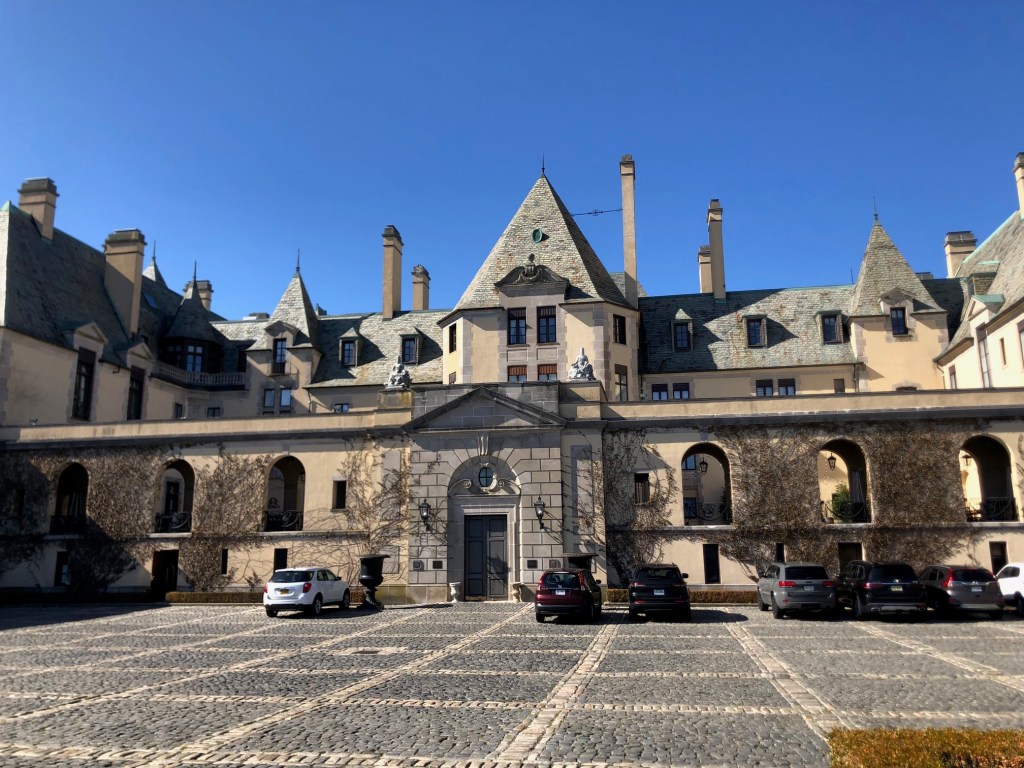
Amsterdam Castle: A Medieval Getaway!

Have you ever dreamed about spending the night in a castle? A castle with turrets, gargoyles, and suits of armor? Maybe you think you’d have to travel to England or France…and that the price would be steep. Well, you can have that experience in a unique hotel that’s only a little over three hours drive from New York!
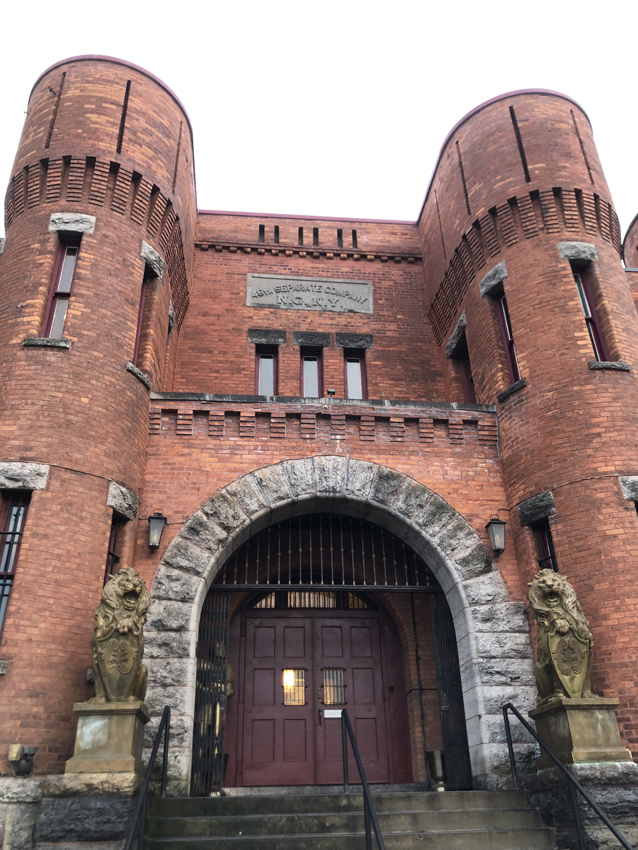
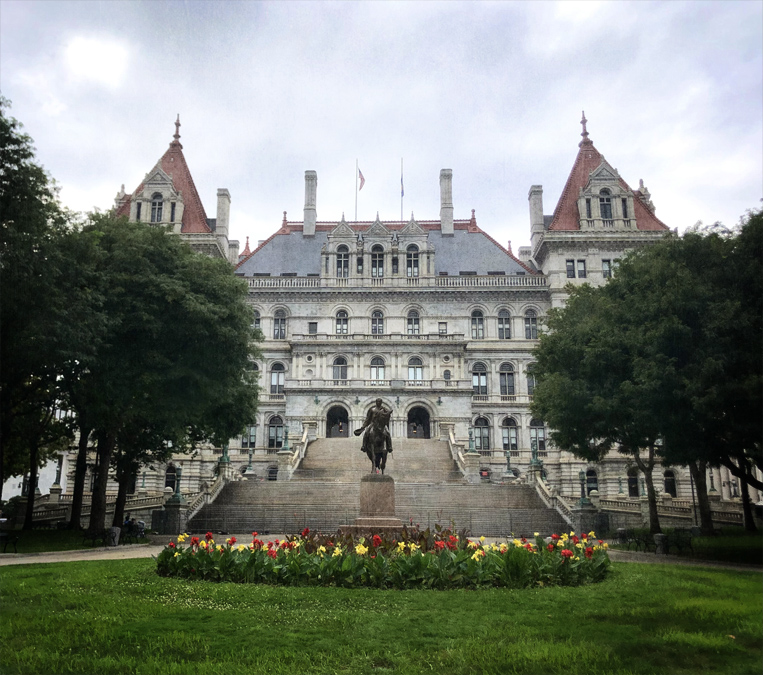
This is Amsterdam Castle, located in the small town of Amsterdam, NY. The building was originally designed by Isaac Perry, one of the architects who worked on the capitol building in Albany. Built in 1895, it originally served as an armory. After it was decommissioned, it passed into private hands and was transformed into a hotel.

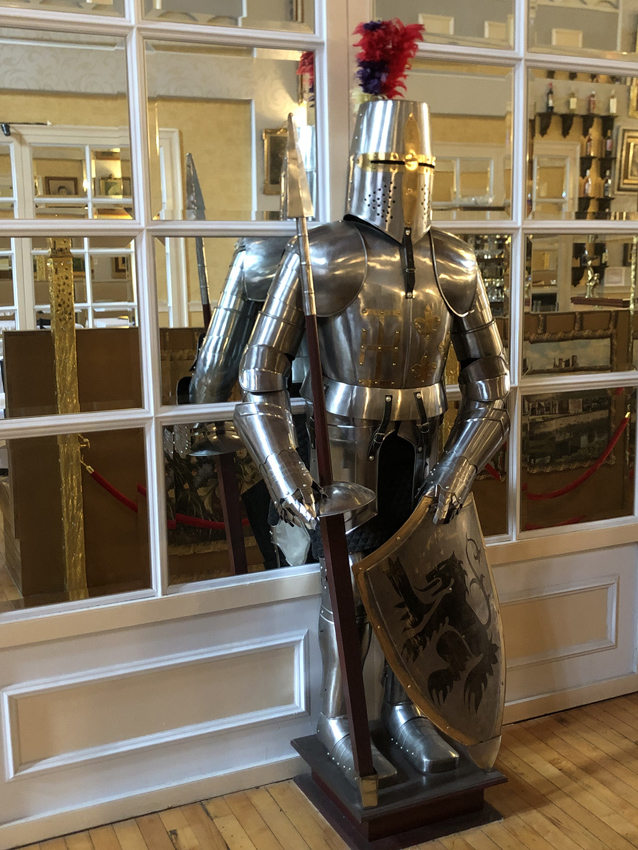
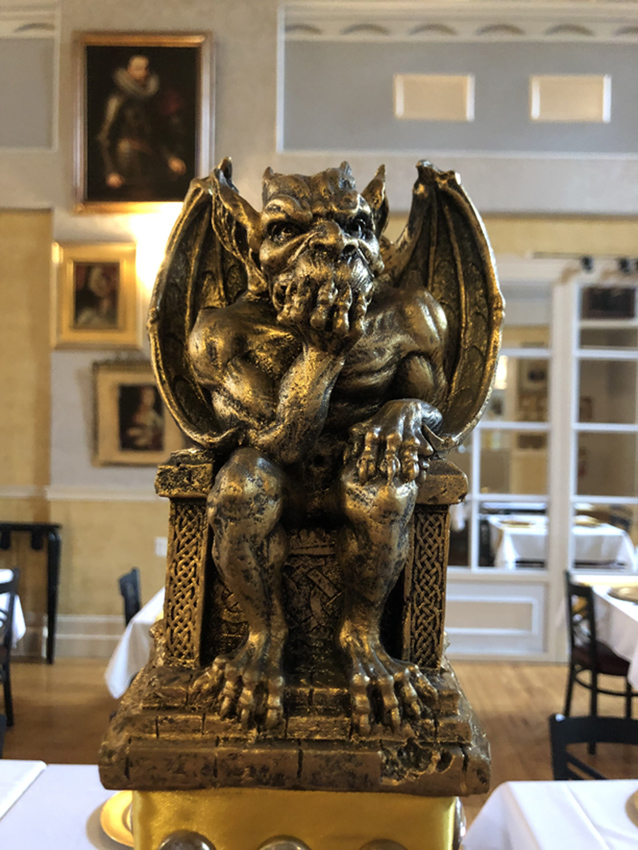
The hotel is decorated in a whimsical, medieval-inspired style. There are suits of armor:
And gargoyles:
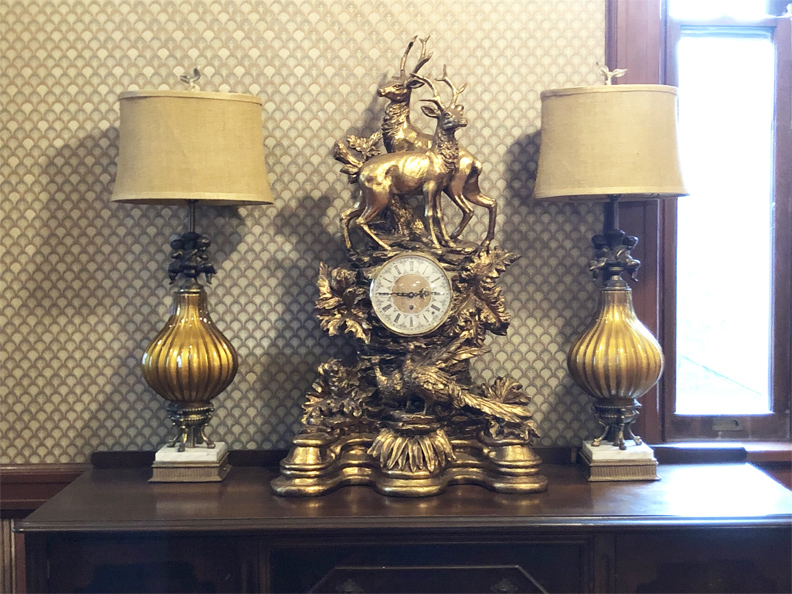
And there are sitting rooms with elegant antique furniture, clocks, and lamps…
The highlight of the castle is the Great Hall, which is created from the armor’s former drill hall, and has its original high ceiling:
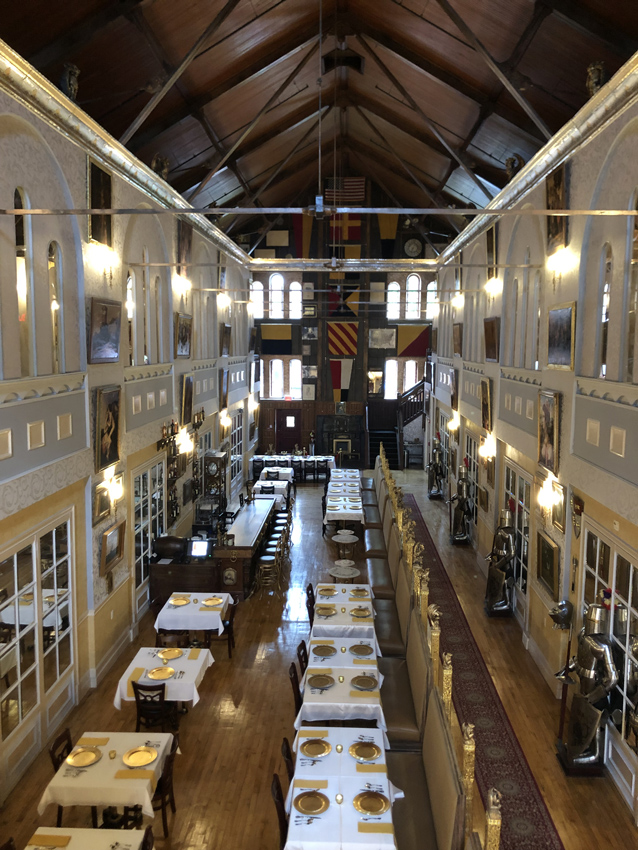
The Great Hall houses a bar, and a restaurant, the latter open on Friday and Saturday evenings.

You can view a short video that I made about the hotel here:

Rooms at this unique hotel start at $122 a night (plus tax). As I mentioned, it’s within driving distance of New York, and is also reachable via Amtrak service.

The hotel is filled with fun nooks and crannies, and has colorful objects everywhere you look! If you love history and fanciful artwork, it’s your castle getaway!
https://www.amsterdamcastle.com/

Albany: Capitol Castle

I recently traveled to Albany, NY to visit its capitol building…it’s one of the most flamboyant state capitol buildings. It cost more to construct than the U.S. Capitol! Yet it’s undeniably beautiful, having not one, but THREE monumental staircases…it’s also decorated with an astonishing amount of carved stone, featuring portraits of famous people, animals, and natural motifs.

You can view a video that I made of the Capitol building’s highlights:

Video highlights from the Albany Capitol

Albany is about an hour and a half train ride from New York City. Free guided tours of the capitol building are offered several times a day on weekdays. There are also other attractions in the vicinity, such as the New York State Museum (also free!), which has exhibits about natural history, and the history of New York State!

https://www.albany.org/listing/new-york-state-capitol/893/

Fonthill: Castle of Whimsy

Doylestown, PA is home to an unexpected monument…a castle!

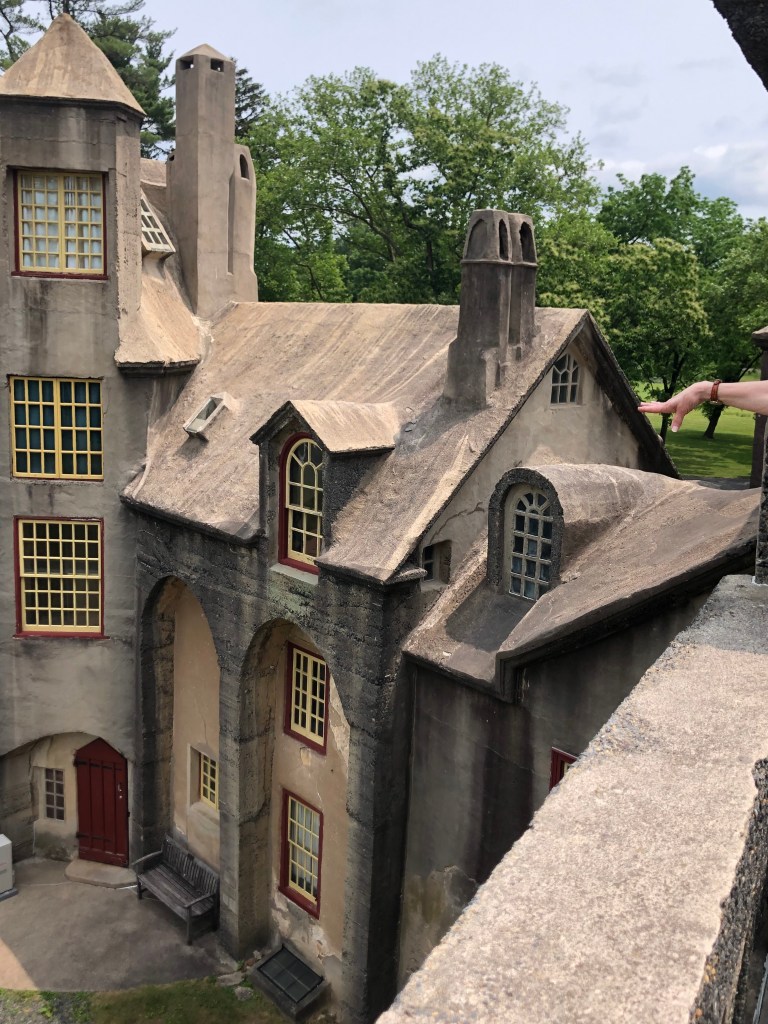
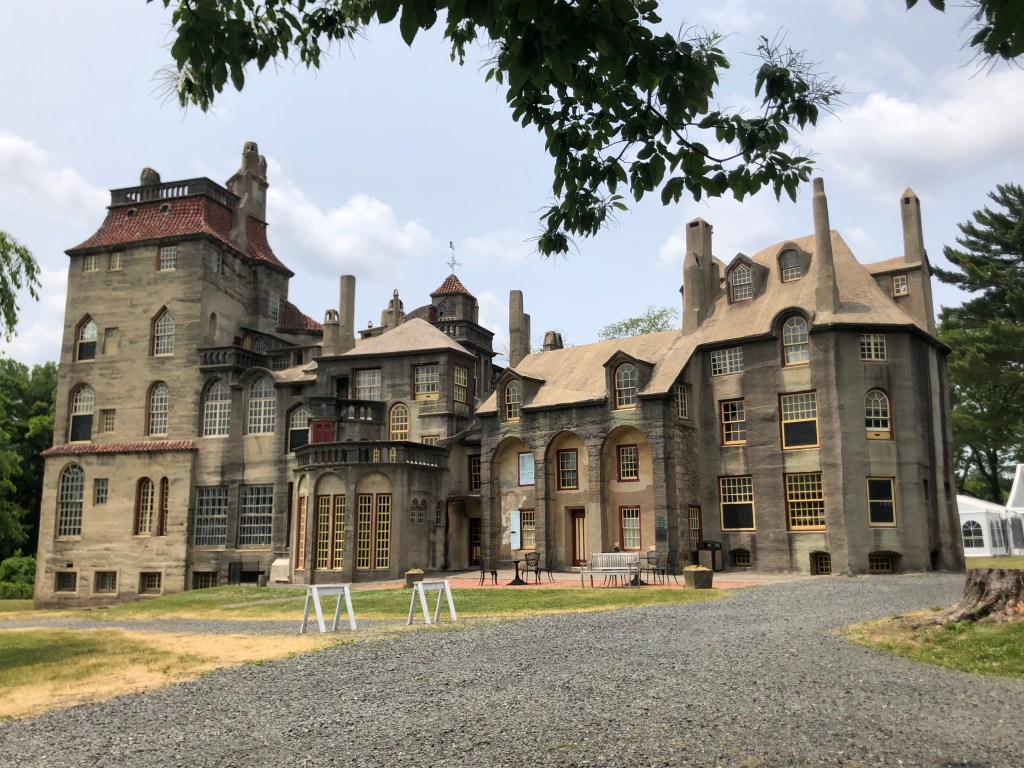
With its fanciful silhouette, chimneys, and towers, Fonthill looks like it could be a school for wizards in training…but it’s actually the brainchild of Henry Chapman Mercer.

Mercer was the son of a prominent local family. He was deeply interested in early trades and crafts, and apprenticed himself to a Pennsylvania German potter. He designed and collected ceramic tiles, founding the Moravian Pottery and Tile Works in 1898 (located just next door).

in 1908, Mercer started building Fonthill, which was intended to be both his home and a showcase for his vast collection of tiles. He was not trained as an architect, but drew inspiration from his extensive travels to sites around the world.

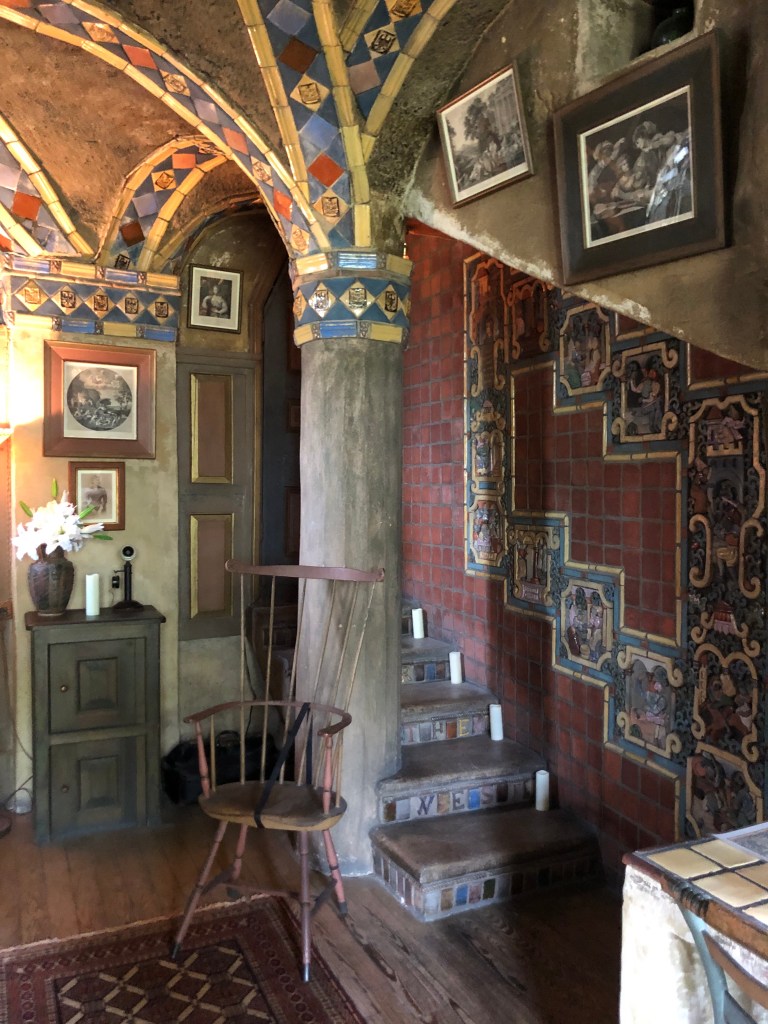
The interior recalls styles of the past, with pillars and vaulted ceilings. The layout seems to follow its own logic, a maze of rooms connected by corridors, winding stairs, and secret nooks around every corner.

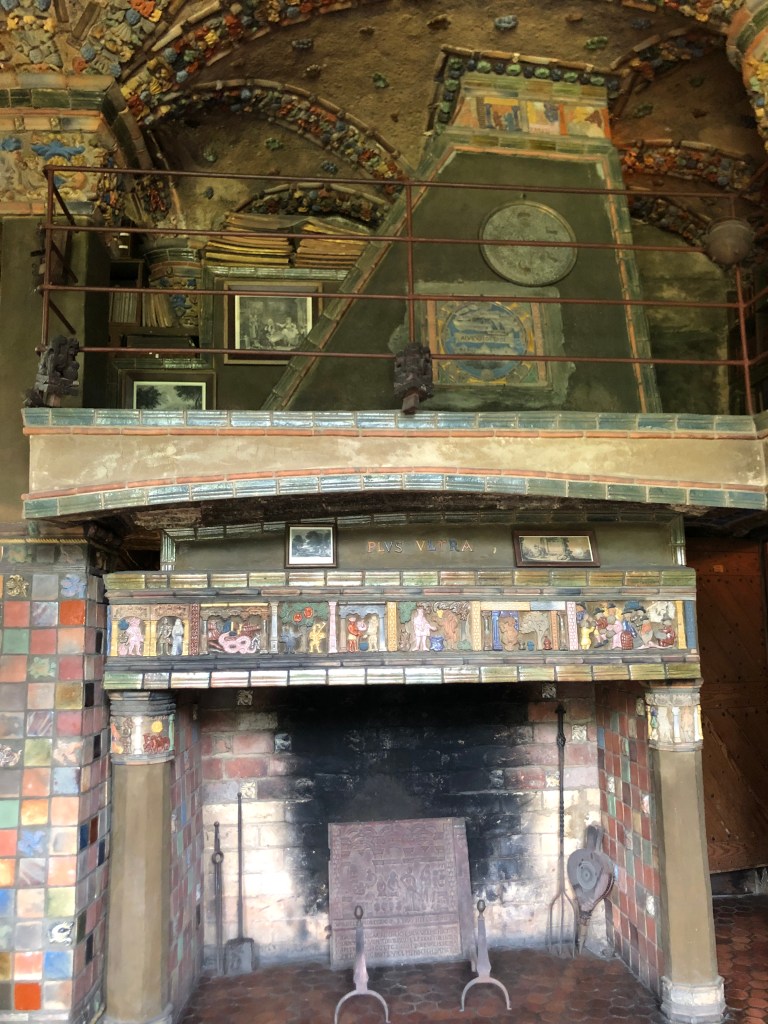
And…tiles. Many of the tiles are Mercer’s own design, brightly colored scenes, often with narratives. The narratives are sometimes scenes of everyday life, others drawn from history. The tiles are EVERYWHERE… set into walls, fireplaces, and ceilings. Even the bathrooms are decorated with tiles!

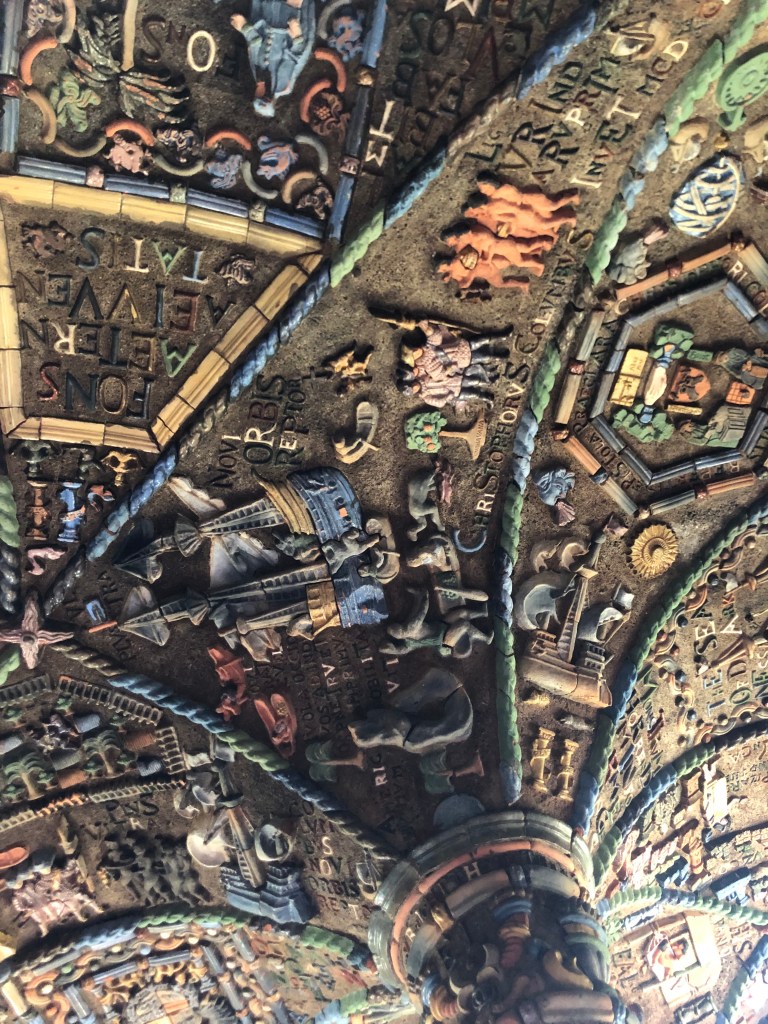
The room above is dedicated to the theme of Christopher Columbus’ voyage to the New World. The vaulted ceiling is covered with tiles and ceramic figures portraying the ships, the sailors, and the Native Americans that they encountered.

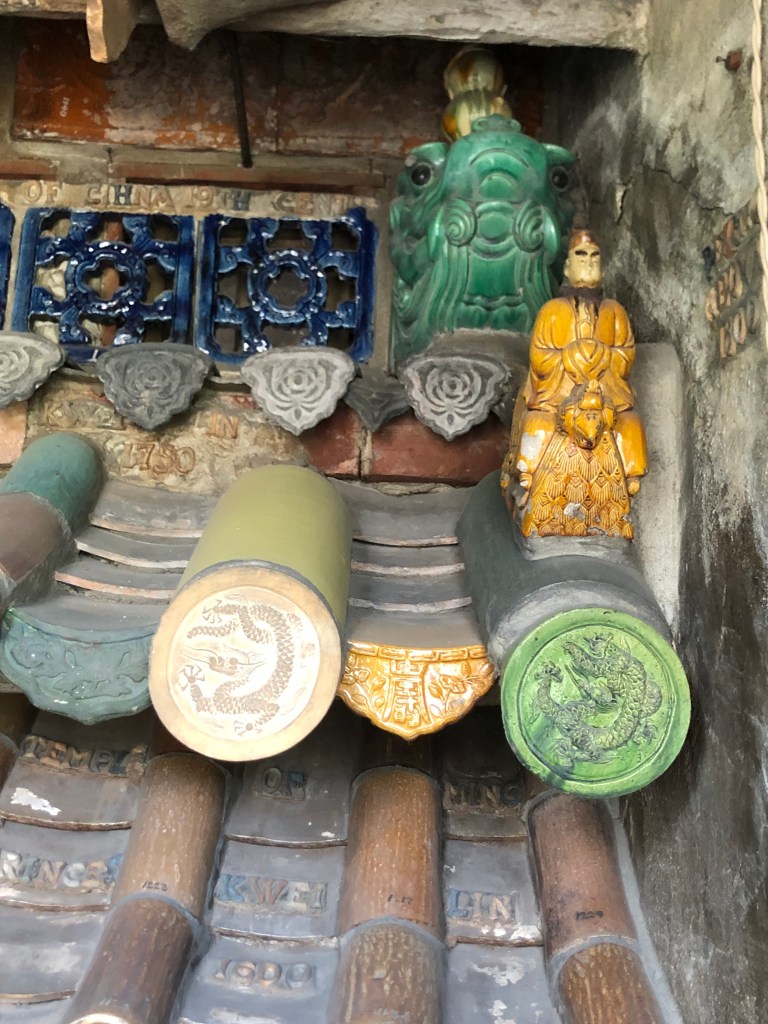
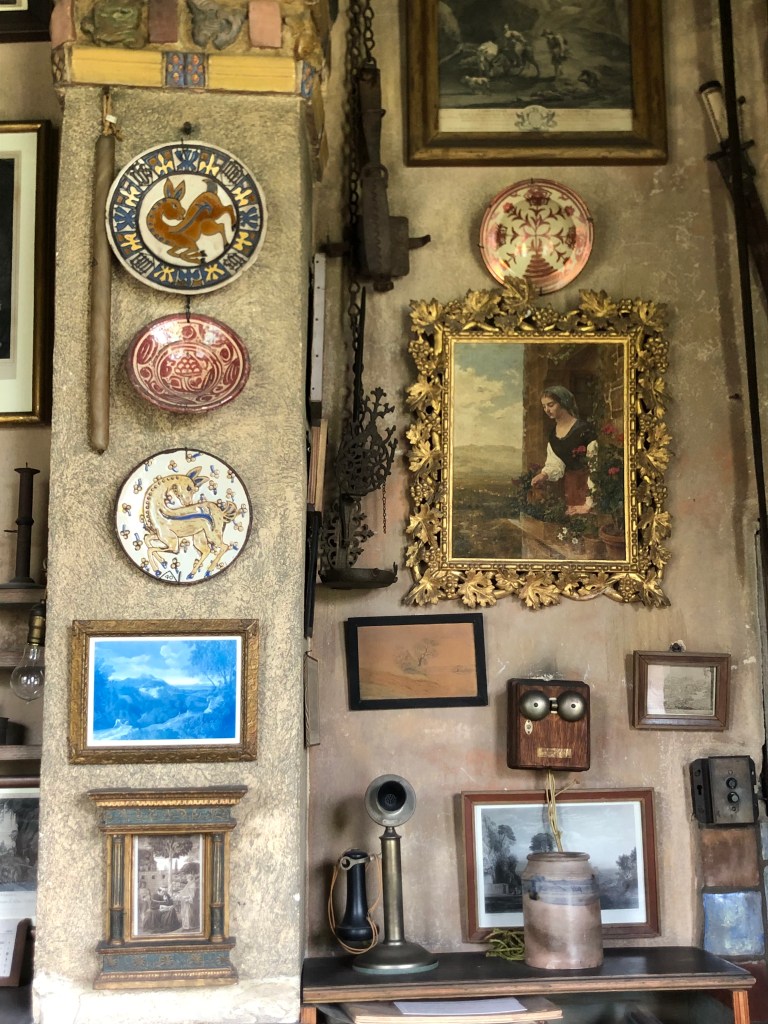
Mercer’s home also displays his collection of historic tiles, including Dutch, Spanish, Chinese and Persian tiles.

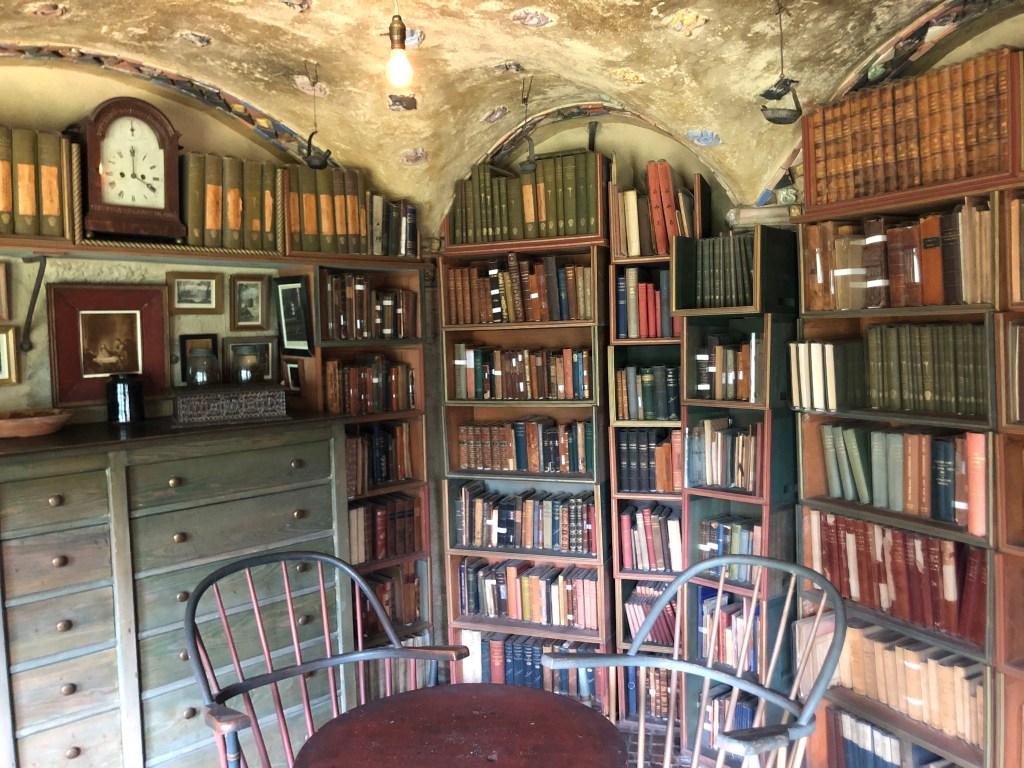
Mercer owned almost 6,000 books, many of which you can see displayed around the home.

You can also see the many paintings, prints, and other artifacts that Mercer collected during his lifetime.

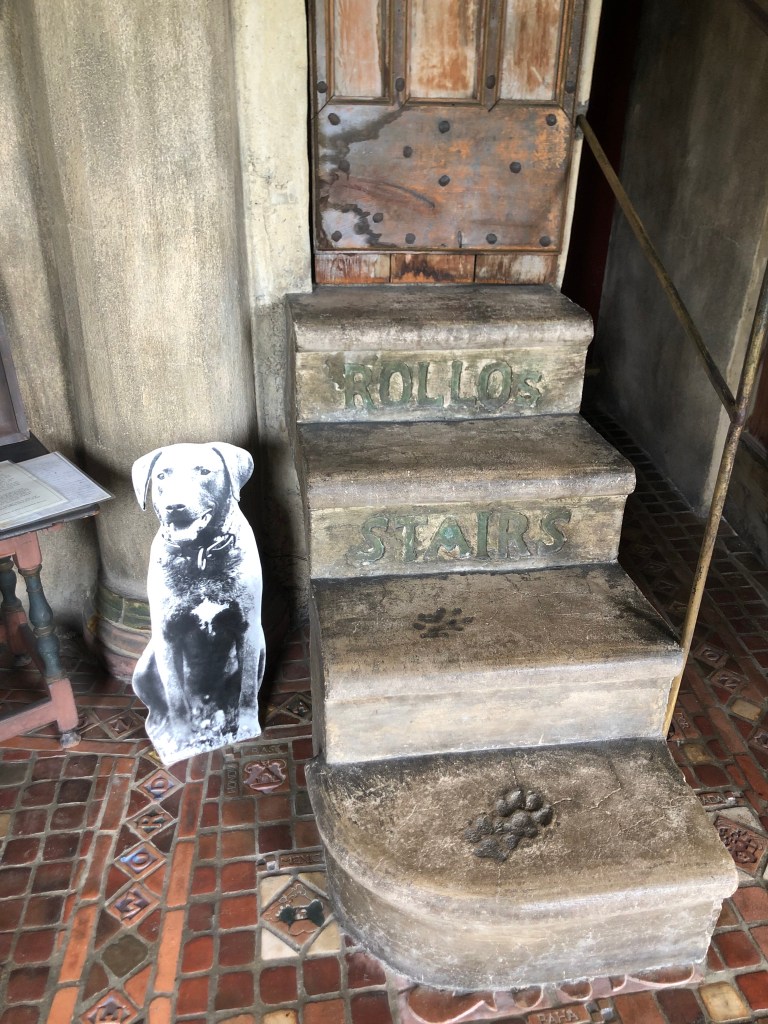
Walking around the house, you really get a sense of Mercer’s offbeat personality. This staircase immortalizes his dog, Rollo, whose pawprints are preserved in the concrete.

While the “castle” draws on the traditions of the past, it’s also quite modern for its time. It’s constructed from poured concrete. It was also equipped with the latest conveniences, featuring numerous bathrooms, an elevator, an intercom and telephones!

Mercer died in 1930, leaving his home to be a museum of tiles and prints. A visit to Fonthill gives us a glimpse into his unique personality and creative process. The museum gives regularly scheduled tours of the building…if you have the chance, visit! It’s a fun and eye-opening experience!

mercermuseum.org/about/fonthill-castle/

Bannerman Castle: Romantic Ruin on the Hudson

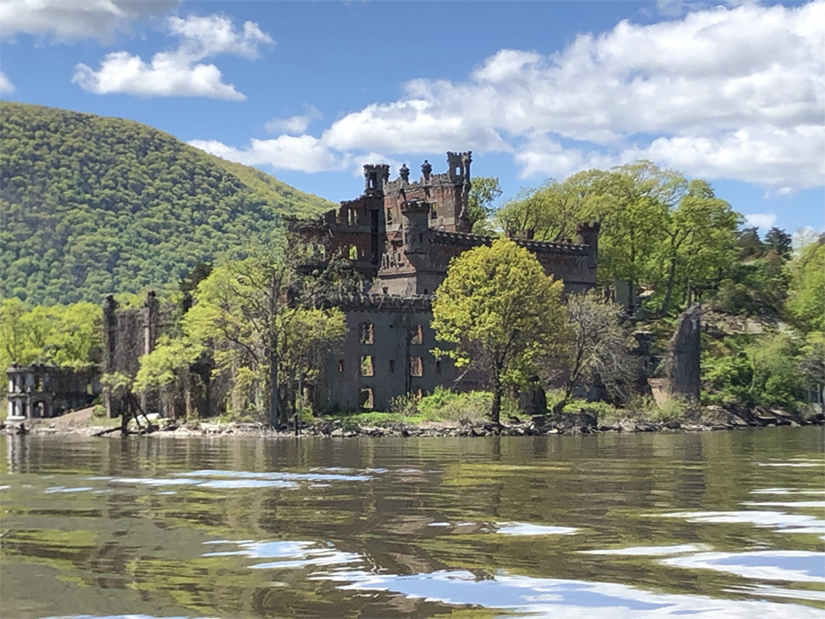
Imagine seeing the ruins of a castle, perched on a rocky island in the middle of a river…it may sound like something from the pages of a gothic novel. But this castle is real…and it’s located only 50 miles from New York City!

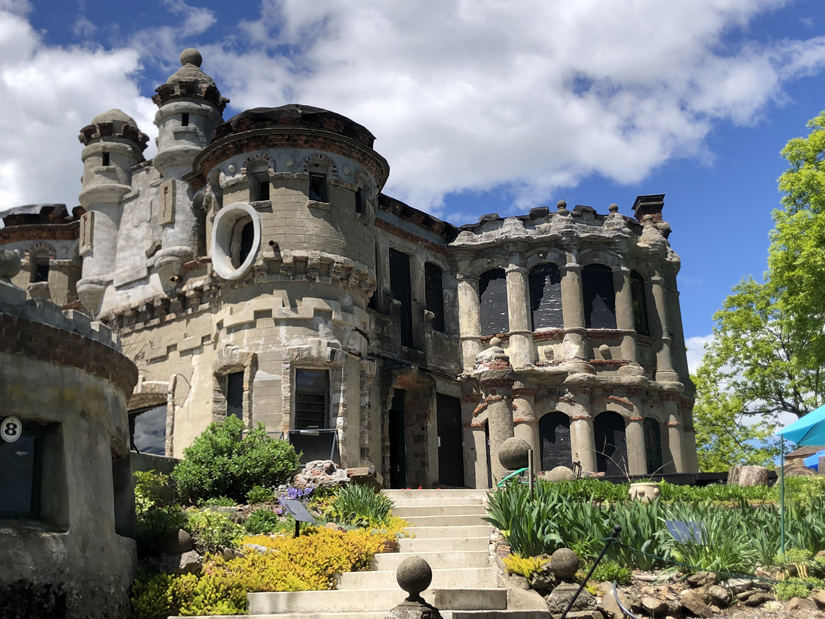
Bannerman Castle is on Pollepel Island, just down the river from Beacon, NY. A brief ferry ride took me and the other visitors to the island.

After climbing a 72-step staircase (!), we were rewarded with this view of the castle:

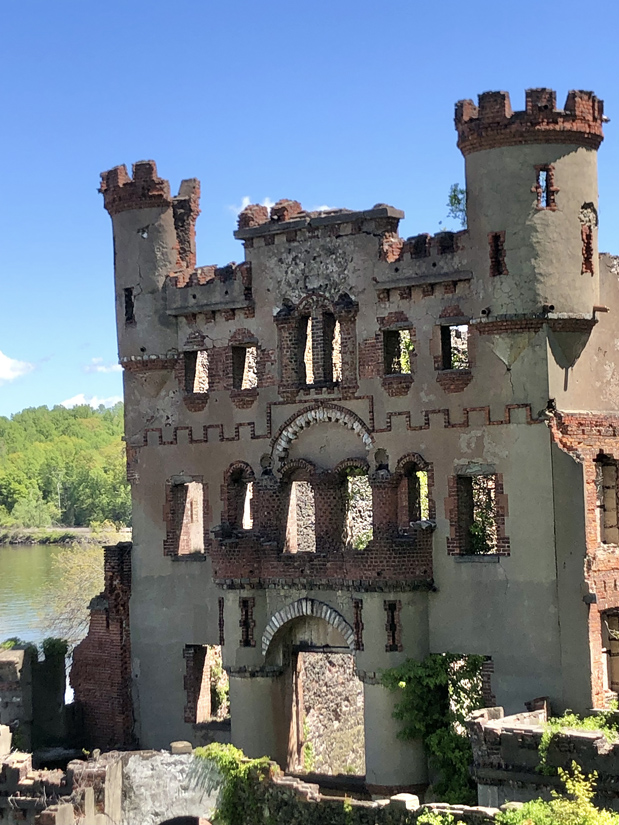
The castle was the brainchild of businessman Francis Bannerman VI, a dealer in military surplus. In 1901, he started building the structure to hold his inventory of guns, ammunition, and other military equipment.

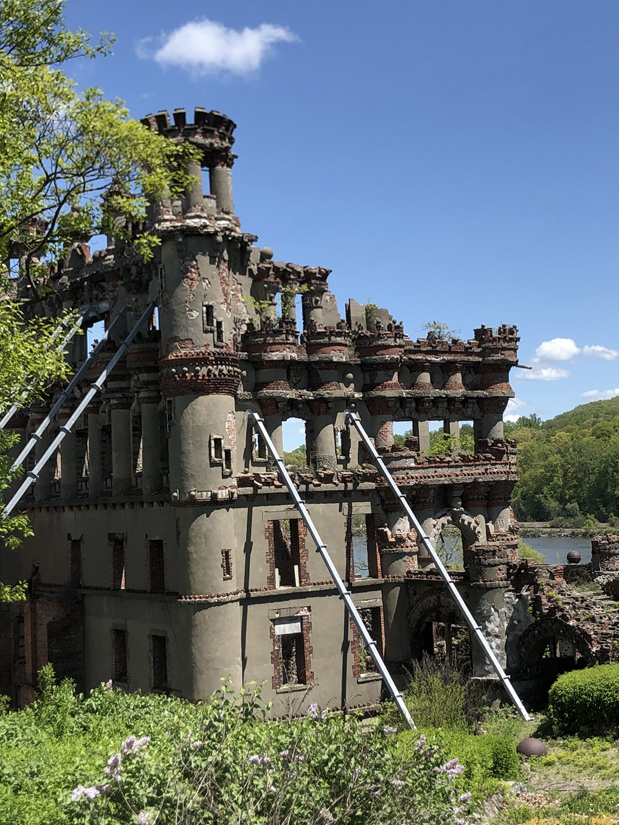
Unfortunately, some of Bannerman’s stored ammunition exploded in 1920 and damaged the building. Later on, in 1969, a fire of unknown origin caused even more severe damage. Steel beams have been added to the walls to support them, and visitors are not allowed to go inside. However, the ruin is still very impressive!

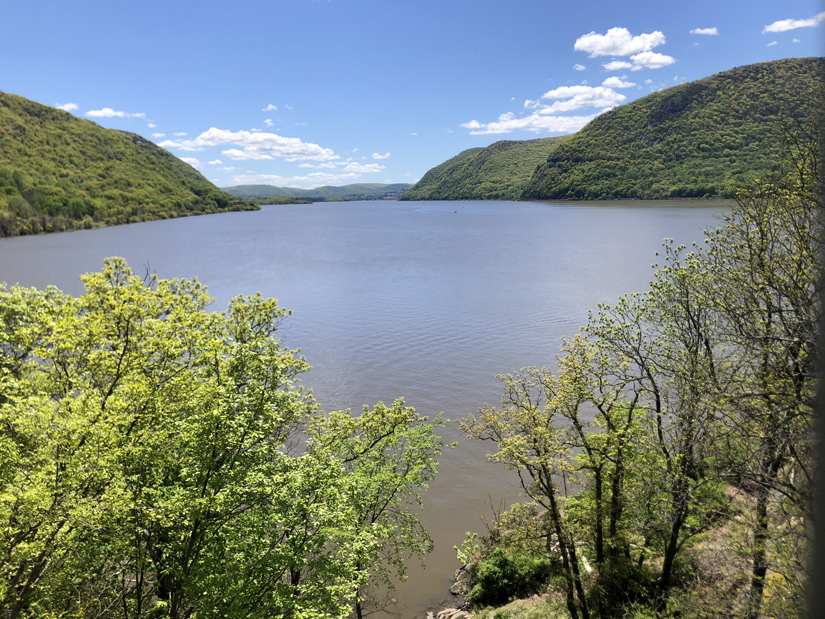
The island itself offers majestic views of the surrounding Hudson Highlands.

You can also follow several walking trails around the island. Along the way, you can enjoy a variety of flowers, like these vibrant tulips.

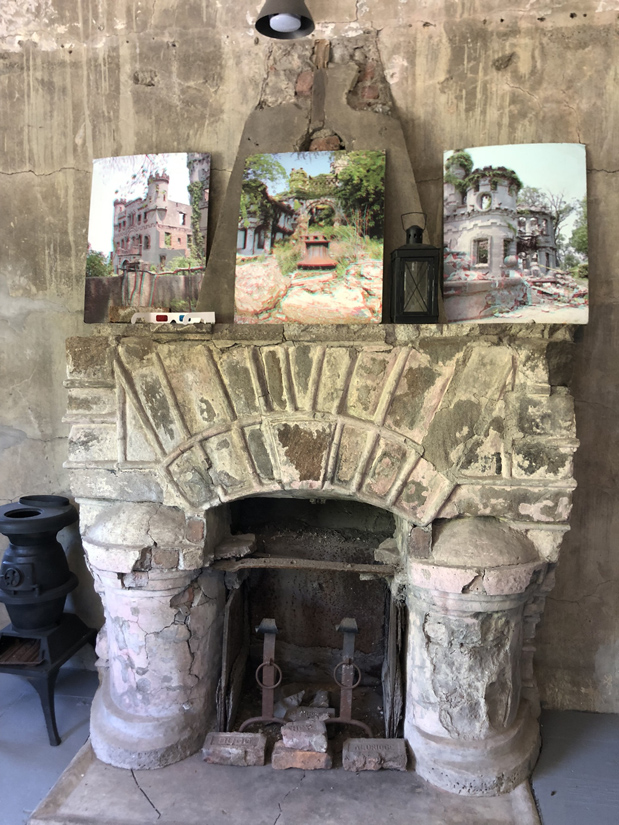
Another point of interest is the Bannerman family’s home, smaller in scale than the castle, but equally fanciful.

Today the building houses displays about the history of the castle and the Bannerman family.

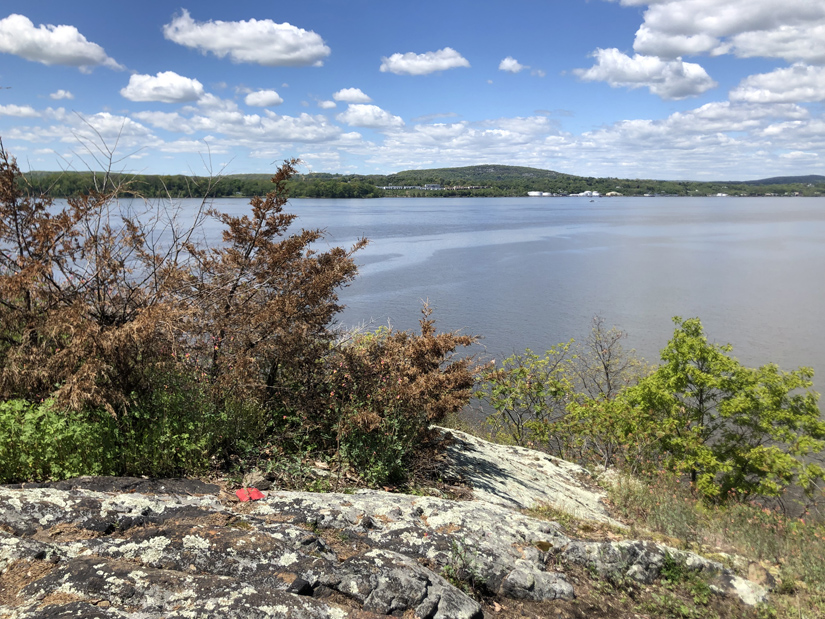
Before leaving, I walked up to one of the highest spots on the island and enjoyed a peaceful view of the river and neighboring Newburgh, NY…the perfect end to an afternoon’s adventure!

The Bannerman Castle Trust offers regularly scheduled guided tours that depart from Beacon. For more details, visit their website: https://bannermancastle.org/

Vanderbilt Mansion: Gilded Age Glamor in Hyde Park, NY

Vanderbilt Mansion: Gilded Age Glamor in Hyde Park, New York

You’re probably familiar with the lavish Gilded Age mansions of Newport, Rhode Island…but did you know that there’s an equally elegant mansion in Hyde Park, NY?

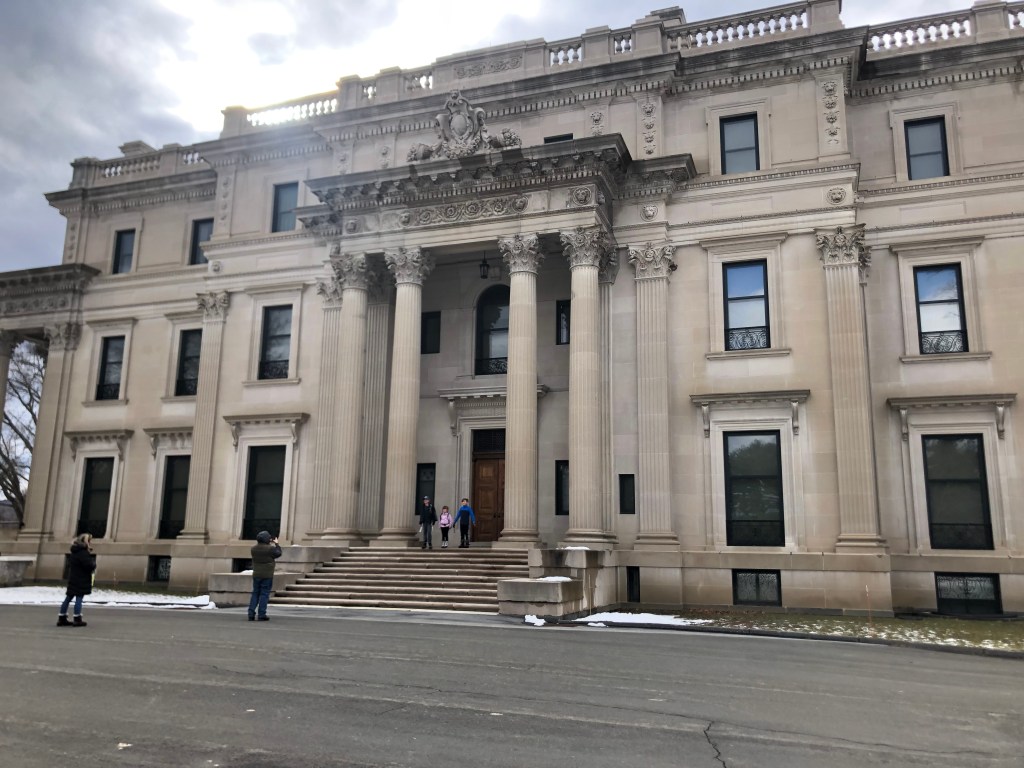
The stately facade of the mansion

It’s the Vanderbilt Mansion, finished in 1899, home of Frederick and Louise Vanderbilt. The home is relatively modest, compared to those of Frederick’s siblings…however, the 50 room dwelling is anything but plain.

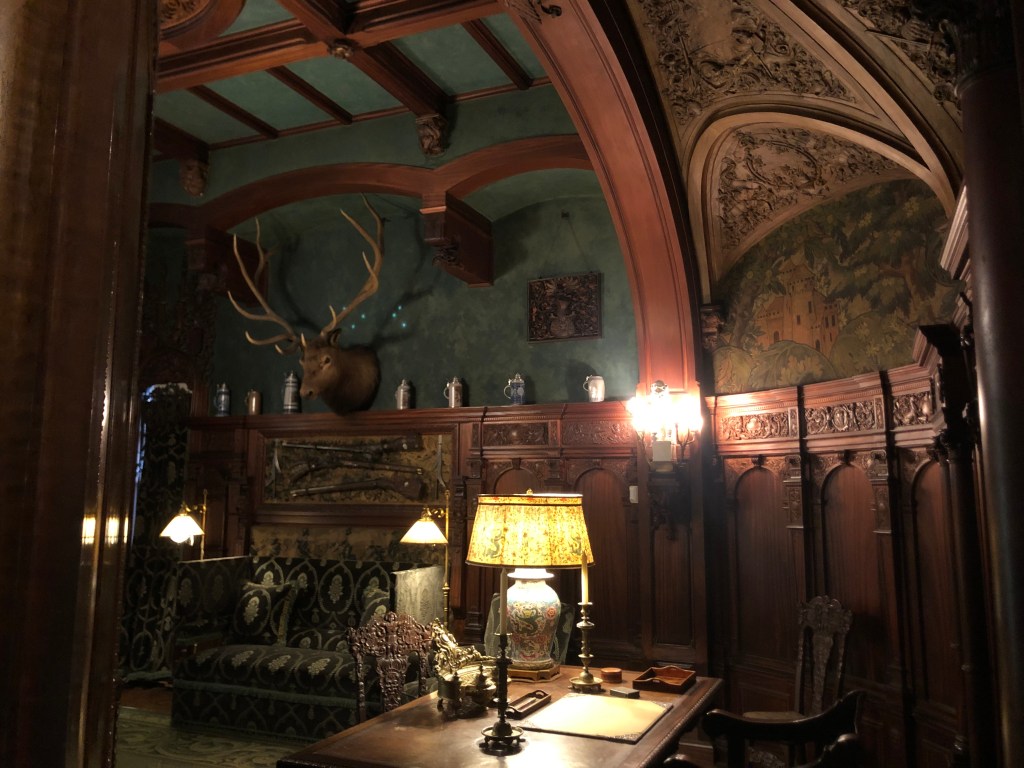
The den, suggesting a medieval hunting lodge, with its dark paneling and firearms

The rooms are richly decorated in a mixture of styles, evoking Renaissance Italy and 18th century France. Elements such as antique tapestries and carved stone fireplaces were imported from Europe.

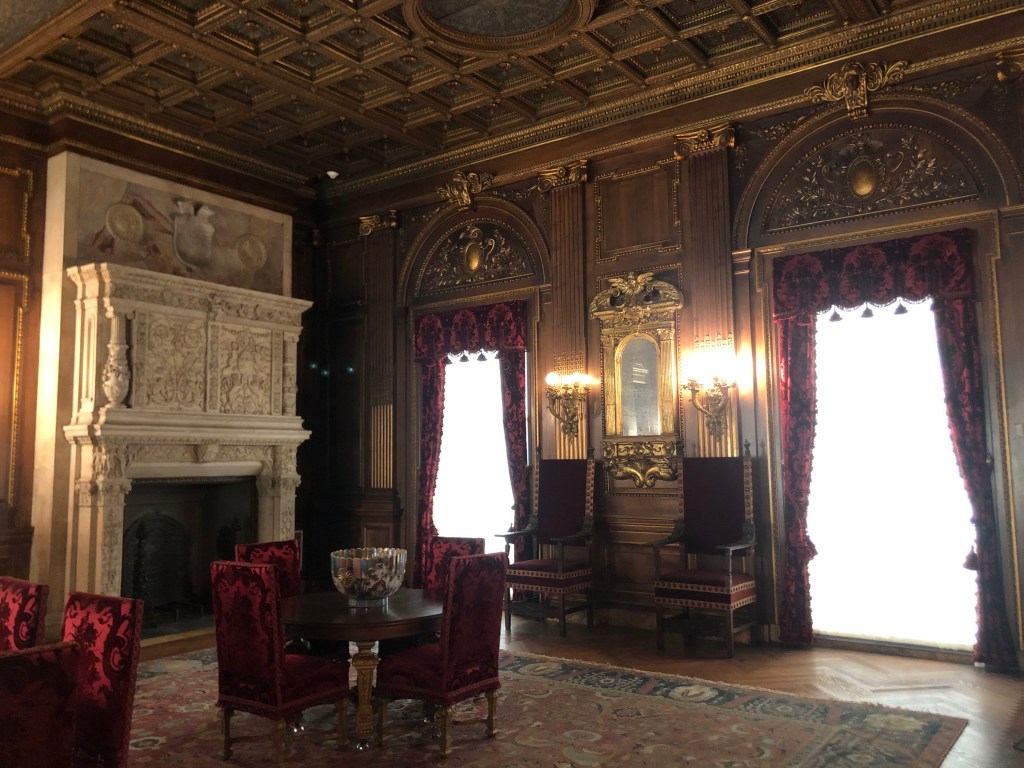
Dining room with coffered ceiling, stone fireplaces, and antique Persian carpet

Louise Vanderbilt was more outgoing than her quiet husband, and enjoyed entertaining guests at the mansion. There was riding, tennis, golf, as well as dinners and dancing.

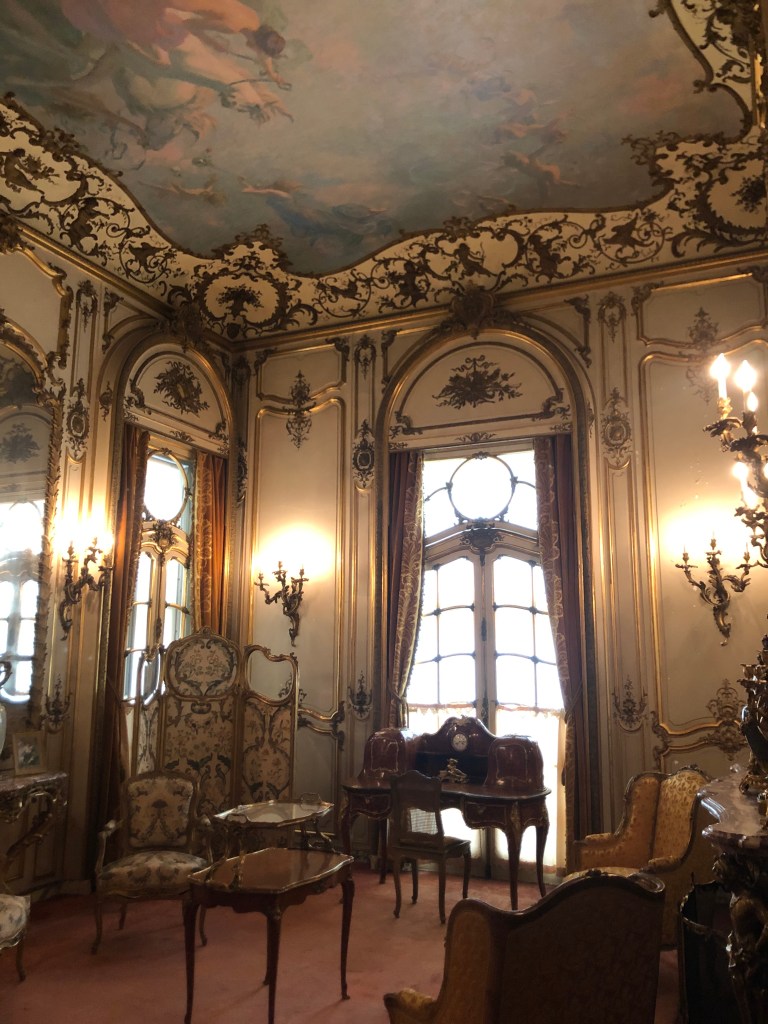
18th century French style reception room

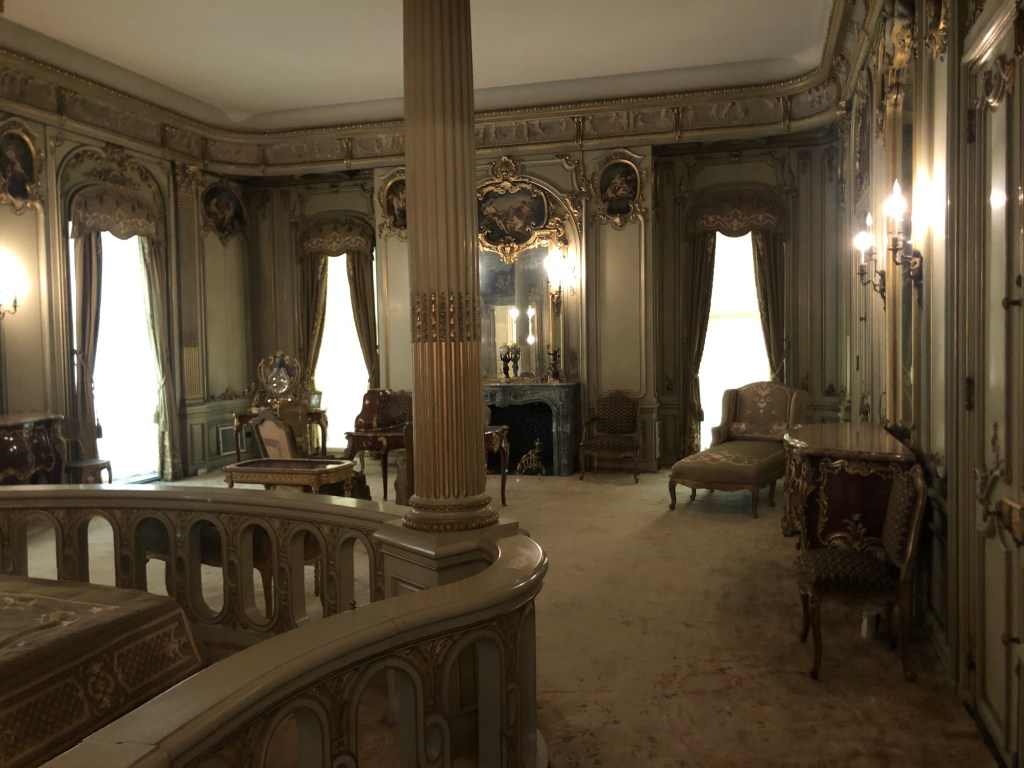
Louise Vanderbilt’s bedroom, complete with a ceremonial railing around the bed, is quite literally fit for royalty.

Louise Vanderbilt’s very feminine,18th century French style bedroom

Yet despite evoking the splendor of historical royalty, the mansion was equipped with modern convenience: electricity, central heating, and indoor plumbing.

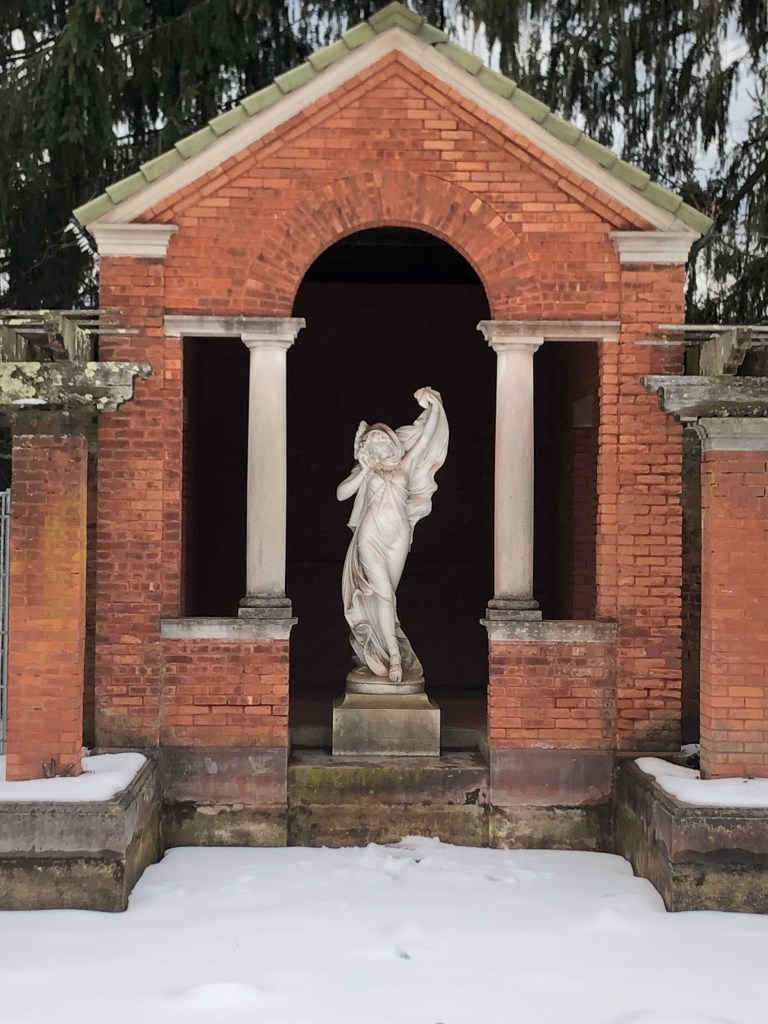
Statue of a veiled dancer, overlooking the reflecting pool

The mansion also retains its formal gardens, with flower beds, pools, and statues. While I visited out of season, you can still admire the terraces and brick pavilions.

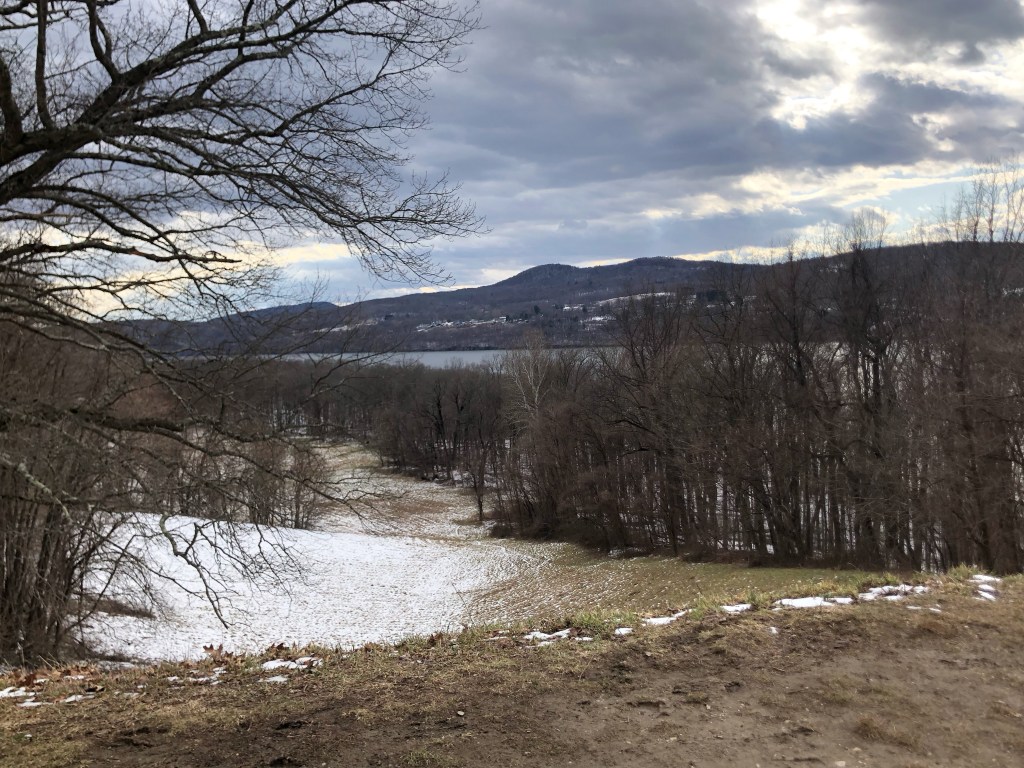
View of the Hudson River

The mansion sits in a wooded, park-like setting, with many walking trails. You can also look out at the Hudson River, and the mountains in the distance.

Louise Vanderbilt passed away in 1926. Frederick Vanderbilt continued to live in the house until his death in 1938. His niece eventually gave the property to the National Park Service, allowing us to visit and enjoy it today.

Oheka Castle: A Long Island Chateau

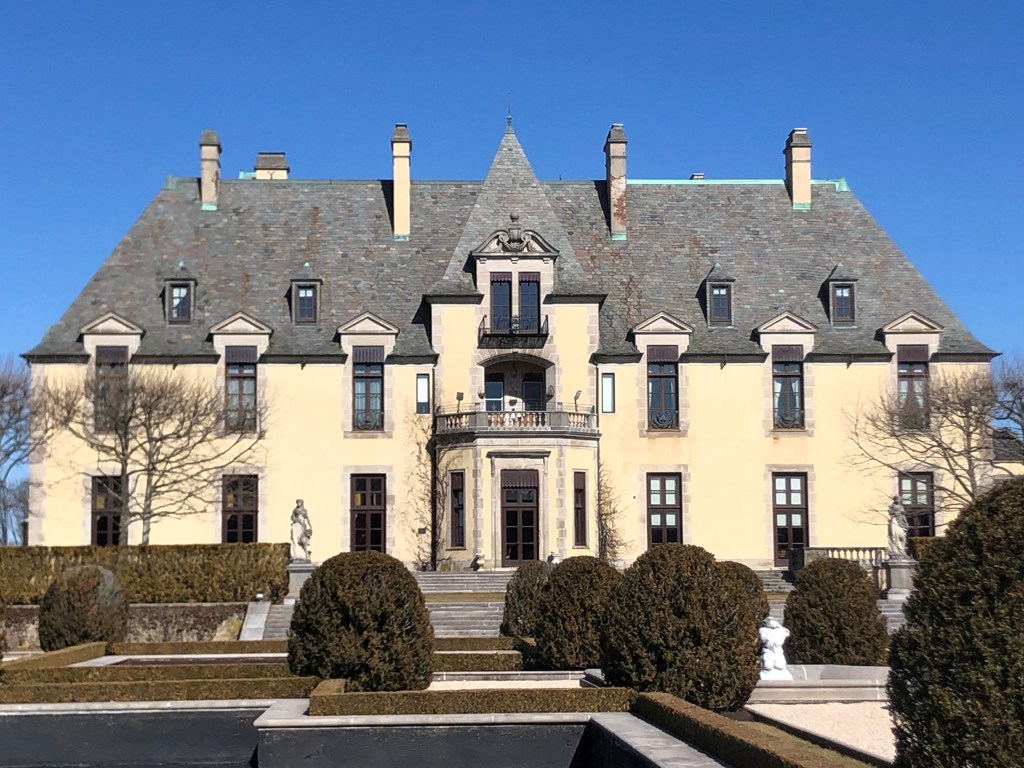
Last month, I got to visit a storybook chateau…but instead of going to France, I traveled to Huntington, NY!

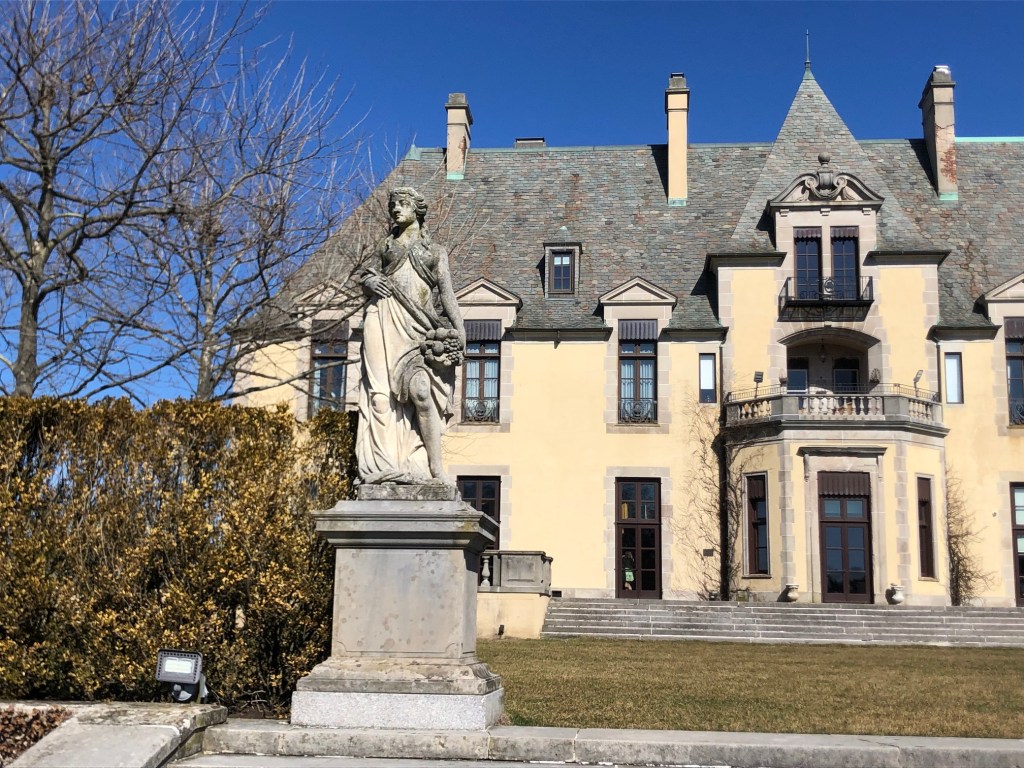
Oheka Castle, named for its owner, financier Otto Hermann Kahn, was completed in 1919. While other area mansions, like Coe Hall at Planting Fields Arboretum and Hempstead House at Sands Point were built in the Tudor Revival style, Kahn’s home was based on French Renaissance models.

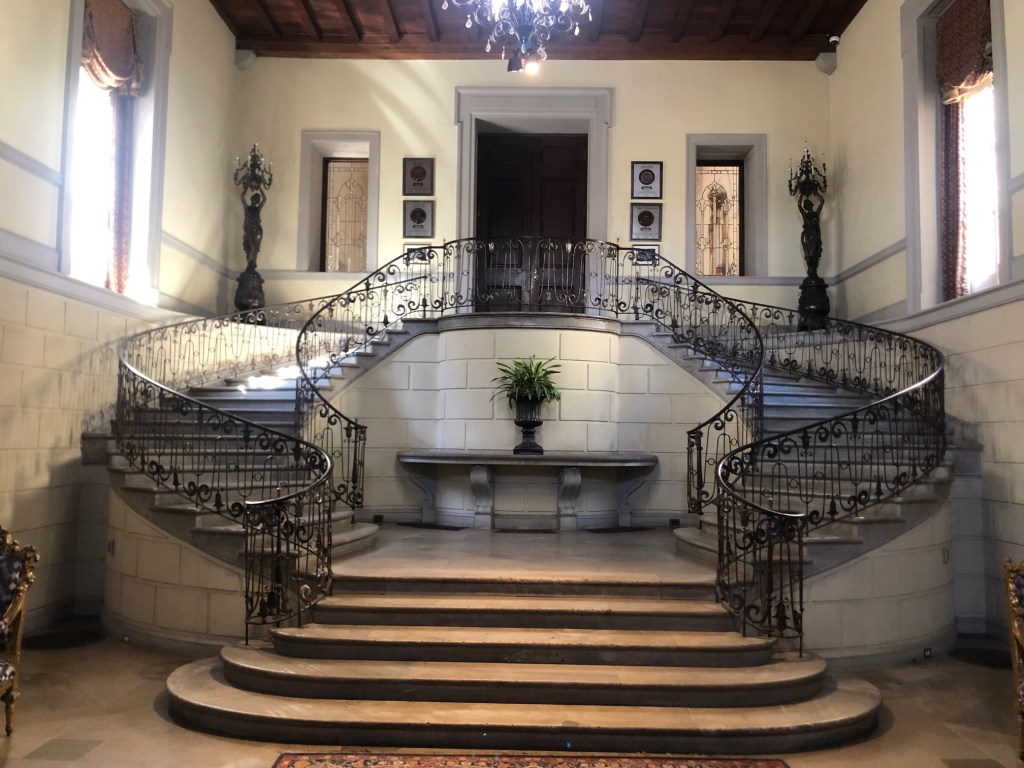
You’re greeted by this elegant grand staircase. The wrought iron staircase was created by Samuel Yellin, who produced ironwork for other mansions of the period.

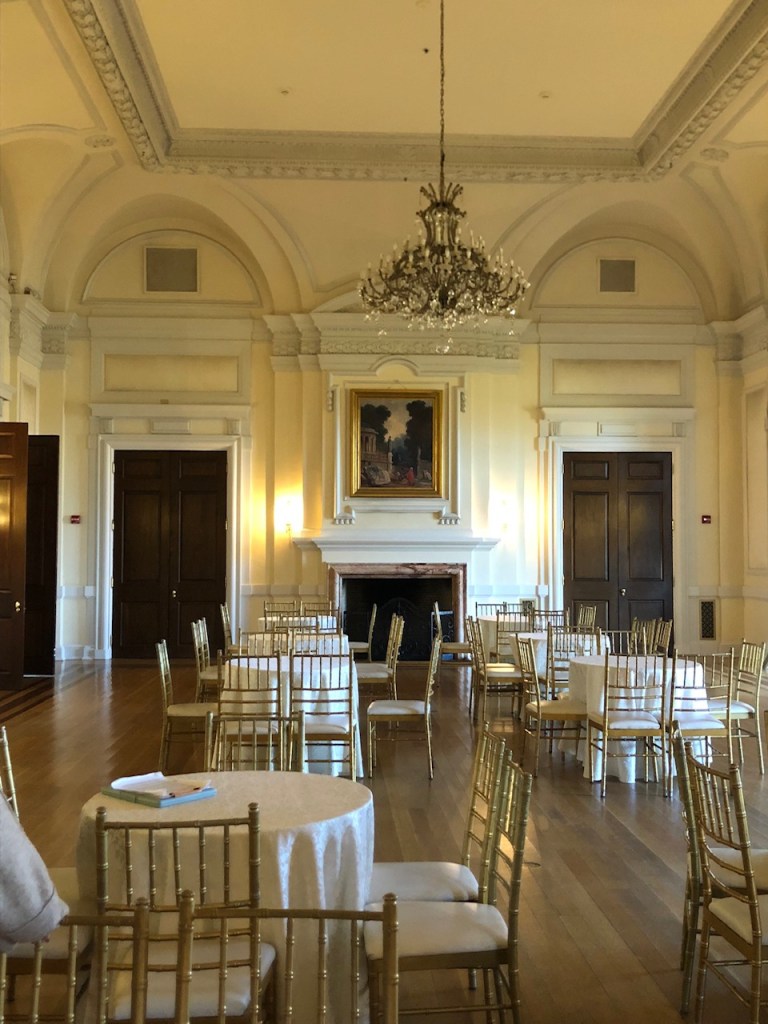
Kahn threw many parties here, entertaining celebrities like Charlie Chaplin, Douglas Fairbanks, and Enrico Caruso. While the decoration of this ballroom is not original, it is faithful to the era, and gives a sense of the luxury that he and his guests enjoyed.

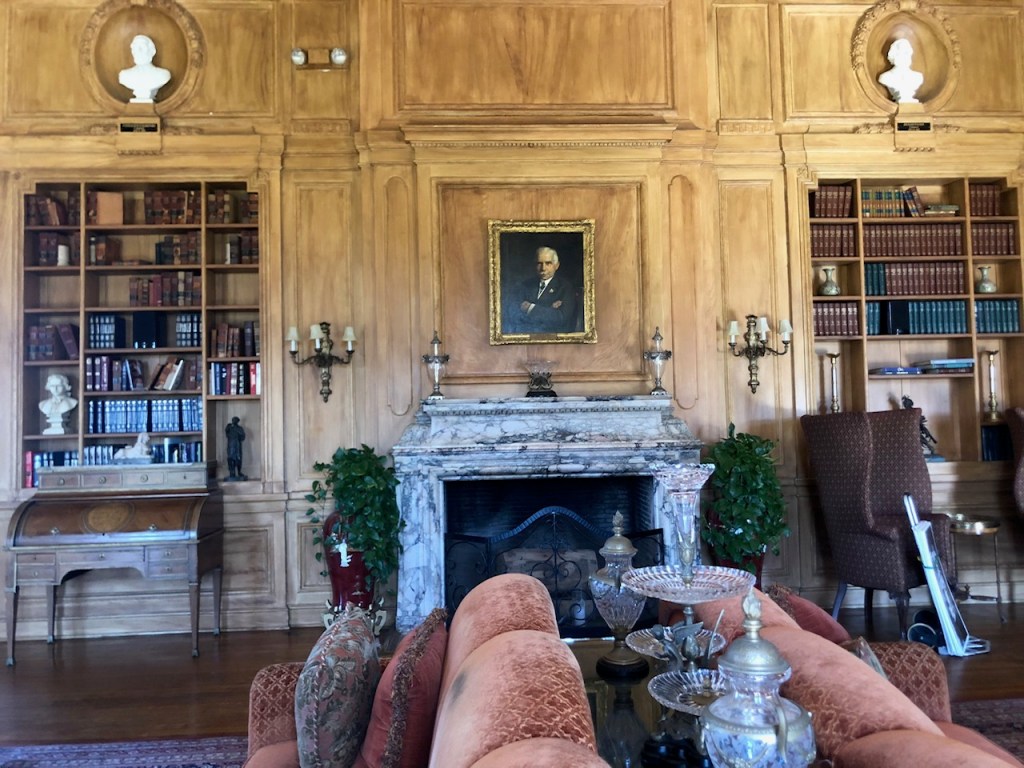
Here’s the stately library, with Kahn’s portrait hanging over the fireplace. (He is said to have been the inspiration for “Mr. Monopoly.”) The walls may look like wood, but they’re actually painted plaster! The castle was constructed to be fireproof.

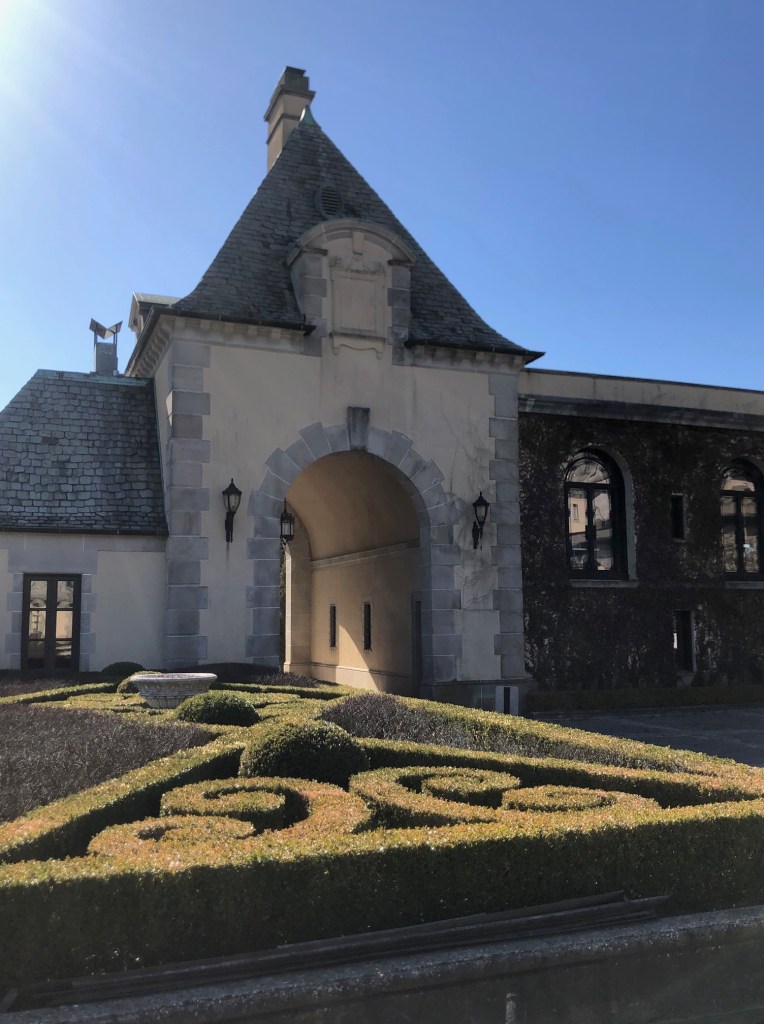
Oheka still retains a French style garden, with clipped hedges, statues, reflecting pools and statues, like the one seen above. When I visited, the fountains were still turned off for the winter, but it was still a great pleasure to walk around!

After Kahn’s death in 1934, the castle was put to different uses…including being a vacation venue for New York sanitation workers! Eventually, the building was abandoned and fell into a severely neglected state. Luckily, the developer Gary Melius bought the property in 1984 and restored it.

Today, the castle has been reborn as a luxury hotel and event venue. You can visit as I did, by buying a ticket for a guided tour…or you can make a reservation at the hotel’s restaurant. Either way, it’s a treat to experience this beautiful Jazz Age mansion!

Learn more about the castle at their website: https://www.oheka.com/